

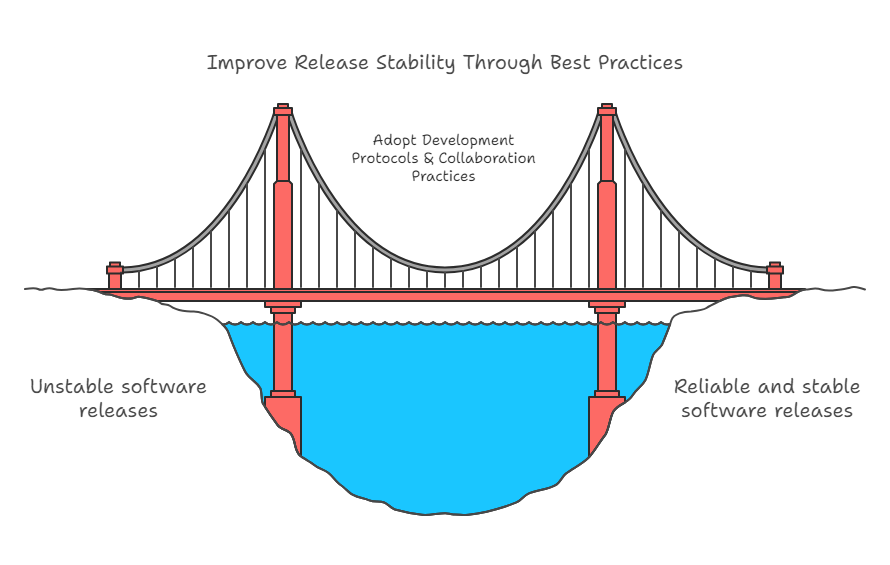
In the fast-paced world of software development, ensuring the stability of releases is paramount. Technical leads play a crucial role in guiding their teams towards achieving stable and reliable software. This document outlines ten best practices that technical leads can implement to enhance the stability of their releases, fostering a culture of quality and continuous improvement.
1. Establish Clear Requirements
Ensure that all team members have a thorough understanding of the project requirements. Clear and well-documented requirements help prevent misunderstandings and reduce the likelihood of defects in the final product.
2. Implement Comprehensive Testing
Encourage the adoption of a robust testing strategy that includes unit tests, integration tests, and end-to-end tests. Automated testing should be prioritized to ensure that new changes do not introduce regressions.
3. Conduct Code Reviews
Regular code reviews not only improve code quality but also facilitate knowledge sharing among team members. This practice helps catch potential issues early and ensures adherence to coding standards.
4. Use Feature Flags
Implement feature flags to control the rollout of new features. This allows teams to deploy code without exposing unfinished features to users, enabling safer releases and easier rollback if issues arise.
5. Monitor Performance and Errors
Set up monitoring tools to track application performance and error rates in real-time. This data can provide insights into potential stability issues and help teams respond quickly to incidents.
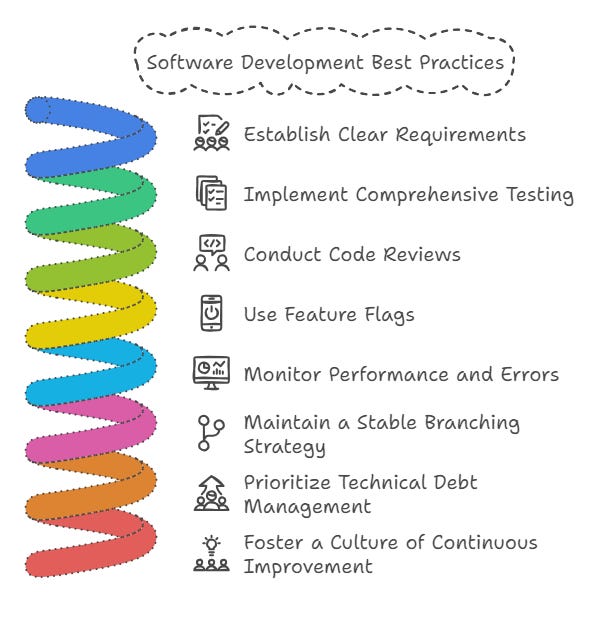
6. Maintain a Stable Branching Strategy
Adopt a clear branching strategy, such as Git Flow or trunk-based development, to manage code changes effectively. This helps minimize conflicts and ensures that the main branch remains stable for production releases.
7. Prioritize Technical Debt Management
Encourage the team to address technical debt regularly. Ignoring technical debt can lead to instability over time, so it’s essential to allocate time for refactoring and improving existing code.
8. Foster a Culture of Continuous Improvement
Promote a mindset of continuous improvement within the team. Conduct retrospectives after each release to identify what went well and what could be improved, and implement actionable changes based on feedback.
9. Automate Deployment Processes
Utilize Continuous Integration/Continuous Deployment (CI/CD) pipelines to automate the deployment process. Automation reduces human error and ensures that deployments are consistent and repeatable.
10. Prepare for Rollbacks
Have a rollback plan in place for every release. This ensures that if a deployment does cause issues, the team can quickly revert to a stable version, minimizing downtime and impact on users.